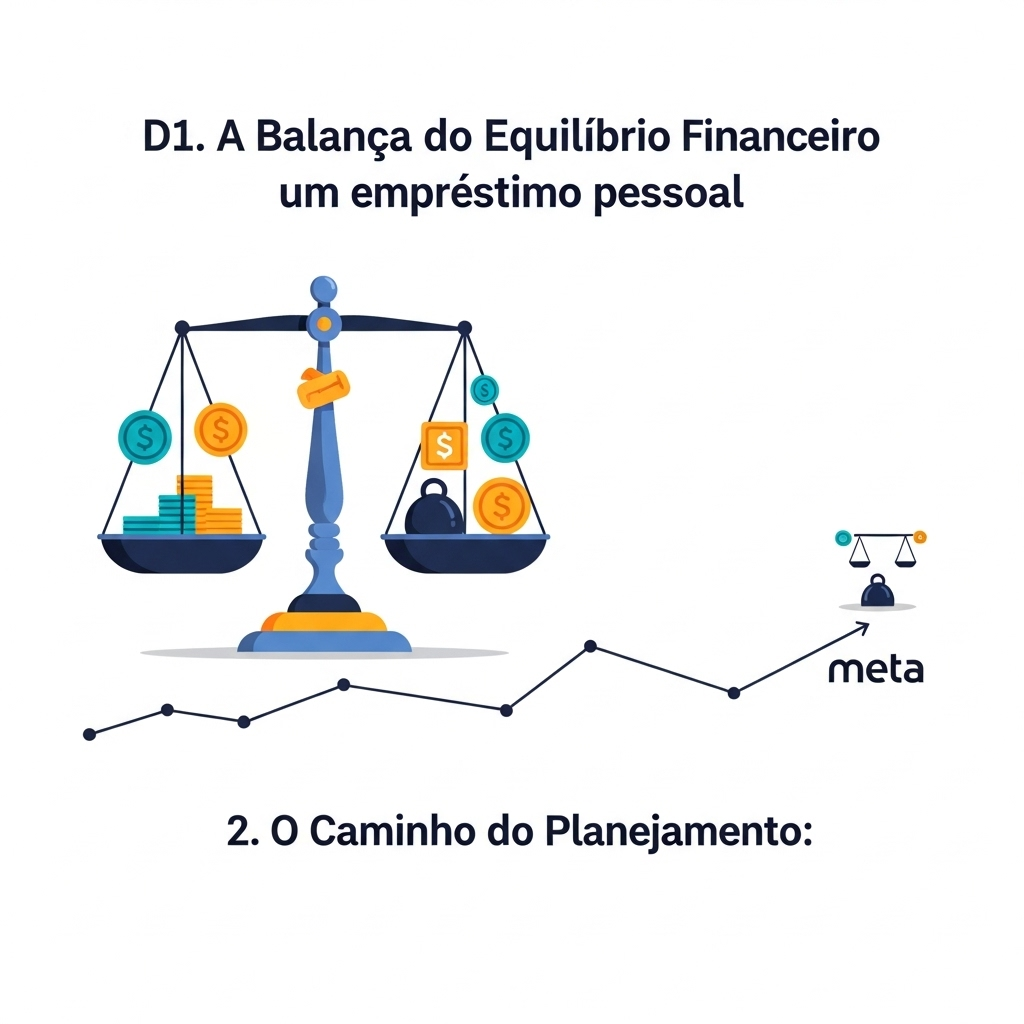
Navigating the world of personal loans can feel overwhelming. Whether you’re consolidating debt, financing a large purchase, or covering an unexpected expense, making the right choice is crucial for your financial health.
A personal loan is a significant financial commitment. Rushing into a decision without proper research can lead to high interest rates, unfavorable terms, and unnecessary stress down the road.
This comprehensive guide will demystify the process. We will walk you through everything you need to know, from preparing your finances and understanding key terms to comparing lenders and avoiding common pitfalls. By the end, you’ll be equipped to find a personal loan that works for you, not against you.
Step 1: Assess Your Financial Health Before Applying
Before you even start looking at lenders, the most important step is to look inward at your own finances. A clear understanding of your financial standing is the foundation for a successful loan application and a manageable repayment plan.
Check Your Credit Score
Your credit score is one of the most critical factors lenders consider. It’s a numerical representation of your creditworthiness, and it directly impacts the interest rates you’ll be offered. A higher score generally means lower interest rates, saving you a significant amount of money over the life of the loan.
You can get a free copy of your credit report from each of the three major credit bureaus (Equifax, Experian, and TransUnion) once a year through AnnualCreditReport.com. Review it carefully for any errors that could be dragging your score down and dispute them if necessary.
Calculate Your Debt-to-Income (DTI) Ratio
Your DTI ratio is another key metric for lenders. It compares your total monthly debt payments to your gross monthly income. Lenders use it to gauge your ability to manage monthly payments and repay the new loan.
To calculate it, add up all your monthly debt payments (rent/mortgage, credit card minimums, car loans, student loans) and divide that by your gross monthly income. Most lenders prefer a DTI ratio below 43%, with many favoring applicants below 36%.
Determine How Much You Really Need
It can be tempting to borrow a little extra “just in case,” but this is a costly mistake. Only borrow what you absolutely need. Create a detailed budget for the expense you’re financing to arrive at a precise number. Remember, every extra dollar you borrow is a dollar you’ll have to pay back with interest.
Step 2: Understanding the Key Loan Terms and Features
Loan agreements are filled with financial jargon that can be confusing. Taking the time to understand these terms is essential to accurately compare offers and avoid hidden costs. Don’t let the fine print catch you by surprise.
APR vs. Interest Rate
While often used interchangeably, these are not the same. The interest rate is the cost of borrowing the principal amount. The Annual Percentage Rate (APR) is a broader measure of the loan’s cost. It includes the interest rate plus any additional fees, like origination fees, giving you a more complete picture of what you’ll pay.
Always compare loans using the APR, not just the interest rate. A loan with a lower interest rate but high fees could have a higher APR and ultimately cost you more.
Fixed vs. Variable Rates
A fixed-rate loan has an interest rate that remains the same for the entire loan term. This means your monthly payment will never change, making it easy to budget. A variable-rate loan has an interest rate that can fluctuate over time based on a benchmark index. While it might start lower than a fixed rate, it could increase, raising your monthly payment.
For the stability and predictability they offer, most borrowers prefer fixed-rate personal loans.
Loan Term
The loan term is the length of time you have to repay the loan, typically ranging from two to seven years. A shorter term means higher monthly payments but less interest paid overall. A longer term results in lower monthly payments but significantly more interest paid over the life of the loan. Choose a term that offers a manageable monthly payment without unnecessarily inflating the total cost.
Fees to Watch For
Be vigilant about fees. An origination fee is a common one, charged by the lender for processing the application. It’s usually a percentage of the loan amount (1% to 8%) and is often deducted from the loan proceeds. Also, look out for prepayment penalties (a fee for paying the loan off early) and late payment fees.
Step 3: How to Shop and Compare Lenders Effectively
The single biggest mistake you can make when looking for a personal loan is accepting the first offer you receive. Shopping around is the key to finding the best possible terms and saving money. The lending landscape is diverse, so explore all your options.
Where to Look for Personal Loans
Don’t limit your search. Consider these common sources for personal loans:
Traditional Banks: If you have an existing relationship and a strong credit history, your bank may offer competitive rates and a streamlined process.
Credit Unions: As non-profit institutions, credit unions often provide lower interest rates and more flexible terms than traditional banks, especially for members.
Online Lenders: Fintech companies have revolutionized the lending space. They often have quick online applications, fast funding times, and competitive rates for a wide range of credit scores.
Use Pre-Qualification to Your Advantage
Most online lenders and many banks offer a pre-qualification process. This allows you to see the potential rates, terms, and loan amounts you might qualify for without impacting your credit score. This is because it only requires a “soft” credit check.
Get pre-qualified with at least three to five different lenders (a mix of banks, credit unions, and online lenders) to create a baseline for comparison. This is the most effective way to see who can offer you the best deal.
Comparing Your Offers
Once you have your pre-qualified offers, create a simple spreadsheet to compare them side-by-side. Look at the APR, the loan term, the monthly payment, and the total cost of borrowing (principal + total interest + fees) for each offer. The offer with the lowest APR is typically the most affordable option.
Step 4: The Application Process and Avoiding Common Mistakes
Once you’ve chosen the best offer, it’s time to move forward with the formal application. Being prepared can make this final stage smooth and successful. It’s also the time to be extra cautious and avoid common blunders.
Gather Your Documentation
The formal application will require a “hard” credit inquiry, which can temporarily dip your credit score by a few points. You’ll also need to provide documentation to verify your identity, income, and address. Common documents include:
- Government-issued ID (driver’s license, passport)
- Proof of income (pay stubs, W-2s, tax returns)
- Proof of address (utility bills, lease agreement)
- Bank statements
Mistake to Avoid #1: Not Reading the Fine Print
Before signing anything, read the entire loan agreement. This is a legally binding contract. Verify that the APR, loan amount, and monthly payment match the offer you accepted. Pay close attention to clauses about prepayment penalties and how late fees are assessed.
Mistake to Avoid #2: Applying with Too Many Lenders at Once
While pre-qualification is safe, submitting multiple formal applications in a short period is not. Each formal application triggers a hard credit inquiry, and too many of these can lower your credit score and make you look like a high-risk borrower to lenders.
Mistake to Avoid #3: Being Dishonest on Your Application
Always provide accurate and truthful information on your loan application. Inflating your income or misrepresenting your employment status is considered fraud and can have severe legal and financial consequences. Lenders have robust systems to verify the information you provide.
What If You Have Bad Credit?
Securing a personal loan with a poor credit score (typically below 630) can be challenging, but it’s not impossible. While you should expect higher interest rates, you still have options to explore.
Focus on Lenders Specializing in Bad Credit
Some online lenders specifically cater to borrowers with less-than-perfect credit. While their APRs will be higher to compensate for the increased risk, they can be a viable option when others are not available.
Consider a Co-signer
Applying with a co-signer who has a strong credit history can significantly improve your chances of approval and help you secure a lower interest rate. A co-signer legally agrees to take responsibility for the debt if you fail to make payments, which reduces the lender’s risk.
Look into Secured Loans
Most personal loans are unsecured, meaning they don’t require collateral. If you’re having trouble qualifying, you might consider a secured loan. These loans are backed by an asset, such as a savings account or a car title. Because there is collateral, they are less risky for lenders and easier to obtain with bad credit.
Take Time to Improve Your Credit
If your need for a loan is not immediate, the best strategy may be to pause and spend a few months improving your credit score. Focus on making all payments on time, paying down existing credit card balances, and avoiding new debt. Even a small increase in your score can lead to much better loan offers.
Conclusão
Securing a personal loan is a major financial decision that requires careful planning and research. By assessing your financial health, understanding the key terms, diligently comparing multiple lenders, and avoiding common application mistakes, you can take control of the process.
Remember that knowledge is your greatest asset. Armed with the information in this guide, you are now prepared to navigate the lending landscape with confidence and find a loan that helps you achieve your goals without jeopardizing your financial future.